Kieli
Kieli 
Putki jäätyy kello 3:00, koska paikallinen kylmäpiste vetää lämpöä pois nopeammin kuin jäljitysjärjestelmä pystyy toimittamaan sitä. Oikein mitoitettu ja suoraan putken seinämään liimattu joustava silikonikuminen lämmitysnauha estää tämän vian sijoittamalla lämmön juuri sinne, missä sitä tarvitaan, ilman ilmarakoa. Joustava lämmitysnauha on ohut, taivutettava sähkövastuslämmitin, joka kietoutuu putkien, akkumoduulien, lääketieteellisten instrumenttien ja prosessiastioiden ympärille tuottamaan tarkkaa pintalämpöä. Se on suositeltava ratkaisu, kun komponentilla on määritelty pinta-ala, kaareva geometria ja vaatimus tasaisesta tai kohdistetusta lämpötilan säädöstä.
Mikä on joustava lämmitysnauha?
Joustava lämmitysnauha on laminoitu sähkökiuas, joka on rakennettu litteästä resistiivisestä elementistä, joka on asetettu joustavien dielektristen eristyskerrosten väliin. Sen ominaispiirre on mekaaninen mukautuvuus: se taipuu pienten säteiden ympäri, kietoutuu putkiston ympärille tai makaa tasaisesti paneeleilla säilyttäen samalla tasaisen kosketuksen ja lämmönsiirron.
Tyypillinen rakenne
- Resistiivinen elementti: syövytetty nikkeli-kromi tai konstantikalvo, vastuslanka tai johtava muste
- Dielektrinen eristys: silikonikumi, Kapton-polyimidikalvo, PET-polyesterikalvo tai kiille
- Valinnaiset pintakerrokset: alumiinifolio, akryyliliima, lasikuitukangas tai kiinnitysreiät
- Päätteet: eristetyt johdot, vedonpoistajat, rengasliittimet, termostaatit ja lämpötila-anturit
Tuloksena on ohut lämpöpeite kohdekomponentille. Tämä eroaa olennaisesti itsesäätyvästä lämmityskaapelista, jossa käytetään johtavaa polymeerisydämeä, joka muuttaa tehoa pitkin pituutta, ja mineraalieristetystä kaapelista, joka vaatii jäykän metallivaipan. Joustava nauha on suunniteltu tietylle jalanjäljelle, vastukselle ja teholle, ja se tarjoaa toistettavan lämpöprofiilin koko lämmitetylle alueelle.
Kuinka joustava lämmitysnauha toimii?
Joustava lämmitysnauha toimii Joule-lämmityksellä. Kun sähkövirta kulkee resistiivisen elementin läpi, sähköenergia muuttuu lämmöksi nopeudella, jonka määrittää P = V²/R. Eristyskerrokset johtavat lämmön laitteen pintaan ja suojaavat elementtiä kosteudelta, hankaukselta ja kemiallisilta vaikutuksilta.
Wattitiheys tai teho pinta-alayksikköä kohti on tärkein suunnitteluparametri:
- 0,1-0,5 W/cm²: alhainen wattitiheys muoveille ja lämpötilaherkille materiaaleille
- 0,5-2 W/cm²: normaali alue metalliputkille, astioille ja akuille
- 2-4 W/cm²: korkea wattitiheys nopeaan lämpenemiseen ja hyvälle metallikontaktille
Koska elementti on syövytetty tai kierretty kiinteään vastukseen, joustava nauha ei alene ympäristön lämpötilan mukaan kuten johtavat polymeeriset itsesäätelevät kaapelit tekevät. Tämä antaa vakaan, toistettavan kuumennusprofiilin. Kompromissi on, että nauha ei pysty havaitsemaan ja korjaamaan paikallisia kuumia kohtia itsestään, joten suunnittelussa on otettava huomioon jäähdytyselementit, asennusgeometria ja ohjausrajoitukset.
Joustavien lämmitysliuskojen tyypit: vertailu
Eristysmateriaali määrää nauhan lämpötilarajan, kemiallisen kestävyyden ja mekaanisen kestävyyden. Alla olevassa taulukossa vertaillaan neljää yleisintä rakennetta.
| Rakennustyyppi | Max jatkuva lämpötila | Joustavuus | Kosteuden ja kemikaalien kestävyys | Tyypillisiä sovelluksia |
|---|---|---|---|---|
| Silikoni kumi | 200-260 °C | Erinomainen | Hyvä; kestää kosteutta ja useimpia öljyjä | Lääketieteelliset analysaattorit, EV-akut, tynnyrit, rummut |
| Kapton / polyimidikalvo | 260 - 300 °C | Erinomainen | Erinomainen; low outgassing | Puolijohdelaitteet, tyhjiökammiot, ilmailu |
| PET/polyesterikalvo | 120 °C | Hyvä | kohtalainen; rajoitettu liuotinkestävyys | Kulutuskoneet, ruoanlämmittimet, kyltit |
| Mica | 450 °C | Kohtalainen | Huono; hygroskooppinen | Teollisuuslevyt, kuumasaumaustyökalut, keittolevyt |
Käytännössä silikonikumi on laajimmin määritelty rakenne, koska se tasapainottaa lämpötila-aluetta, joustavuutta, kosteussuojaa ja kustannuksia. Kapton voittaa puolijohde- ja tyhjiösovelluksissa, joissa kaasun poistumisen on oltava minimaalista. PET on tarkoitettu alhaisen lämpötilan kuluttajatuotteisiin, ja kiille on varattu yli 260 °C:n pintalämpötiloihin, joissa joustavuus on toissijainen huolenaihe.
Kuinka valita oikea joustava lämmitysnauha
Joustavan lämmitysnauhan valitseminen edellyttää lämmittimen suunnittelun sovittamista kuuden parametrin mukaan. Hanki nämä ennen tilaamista, ja asennus on helppoa; Jos lämmitin toimii väärin, se ylikuumenee tai epäonnistuu ennenaikaisesti.
- Syöttöjännite. 12 V tai 24 V DC akkukäyttöisille ja mobiilijärjestelmille; 110 V tai 220-240 V AC kiinteisiin teollisuusasennuksiin.
- Wattitiheys. Laske tarvittava lämmöntuotto ja jaa se lämmitetyllä pinta-alalla. Pysy eristysmateriaalin suositellun wattitiheyden sisällä, jotta pinta ei ylikuumene.
- Lämpötilaluokitus. Nauhan nimellisarvon tulee ylittää pahimman mahdollisen lämpötilan, jonka lämmitin voi saavuttaa, ei vain prosessin asetusarvoa.
- Kemiallinen ja kostea ympäristö. Silikonikumi sietää kosteutta; Kapton sietää aggressiivisia liuottimia; PET ja kiille tarvitsevat suojaa kosteissa tiloissa.
- Asennusmenetelmä. Liimapohja, mekaaniset puristimet, rengasliittimet tai vulkanoitu liimaus metallilevyyn.
- Sertifiointi. CE yleiseen teollisuuskäyttöön, UL Pohjois-Amerikan markkinoille ja ATEX/IECEx vaarallisten alueiden asennuksiin.
Jos olet epävarma jostakin näistä parametreista, ota yhteyttä SANTO-insinööritiimiin sovelluksesi mittojen, alustamateriaalin ja tavoitelämpötilan kanssa. Lyhyt tekninen keskustelu spesifikaatiovaiheessa säästää yleensä viikkoja myöhemmin tehtävältä uudelleentyöstöltä.
Tärkeimmät sovellukset eri toimialoilla
Joustavat lämmitysnauhat palvelevat kaikkia toimialoja, joilla vaaditaan ohutta, mukautuvaa pintalämmitystä toistettavalla profiililla. Suurimmat sovellukset ovat lääketieteellisissä, autoteollisuudessa, puolijohde- ja teollisuusprosessilaitteissa.
Lääketieteelliset laitteet ja laboratorioanalysaattorit
Hengityslaitteet, anestesiakoneet, veri-analysaattorit, biokemialliset analysaattorit ja ydinmagneettiset resonanssilaitteet käyttävät silikonikumista kuumennusliuskoja, jotka pitävät näytteet, kaasut ja reagenssilinjat kapeassa lämpötilaikkunassa. SANTO:t tuulettimen lämmitin on esimerkki joustavasta silikonikuminauhasta, joka on integroitu suoraan hengityskaasukanavaan.
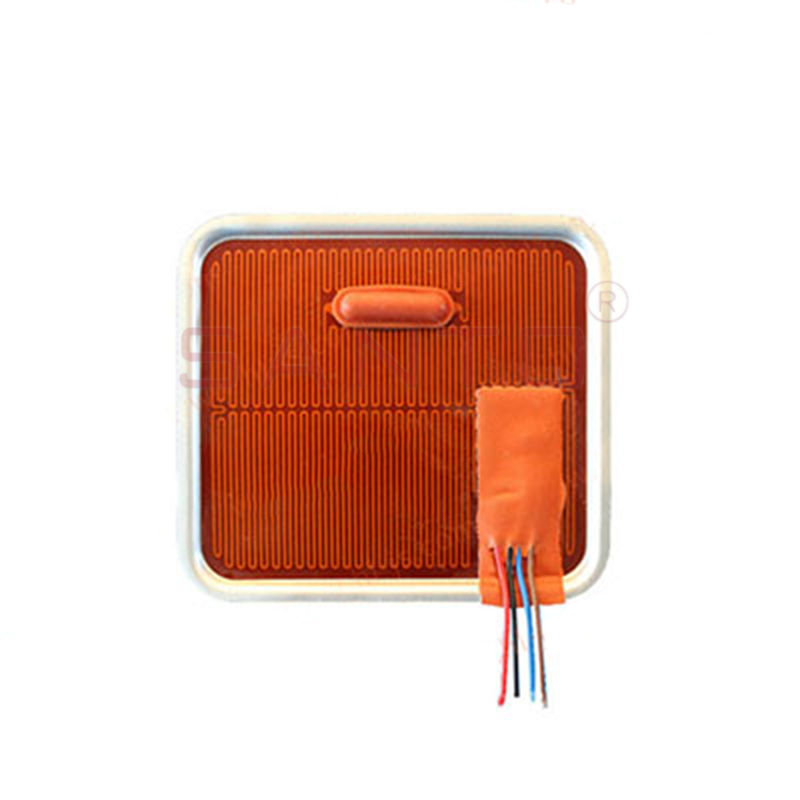 Mukautetut tuulettimen lämmittimet Valmistajat, toimittajat - Santo Thermal Control Techno Santo on Kiinan OEM/ODM-tuulettimen lämmittimien valmistaja ja tuulettimen lämmittimen toimittaja, olemme erikoistuneet räätälöityyn tuulettimen lämmittimen vientiin... Näytä tuote →
 Sähköauton akun lämmitys
Alhaisissa ympäristön lämpötiloissa litiumionikennot menettävät kapasiteettiaan, eikä niitä voida ladata täydellä nopeudella ilman litiumpinnoituksen vaaraa. Akkumoduulin pintaan kiinnitetty joustava silikonikuminauha nostaa kennon lämpötilaa ennen lataamista ja pitää sen optimaalisen ikkunan sisällä. SANTO tarvikkeita silikonikumista auton akkulämmittimet matalaprofiilisena, tärinää kestävänä ratkaisuna sähköautopakkausten integrointiin.
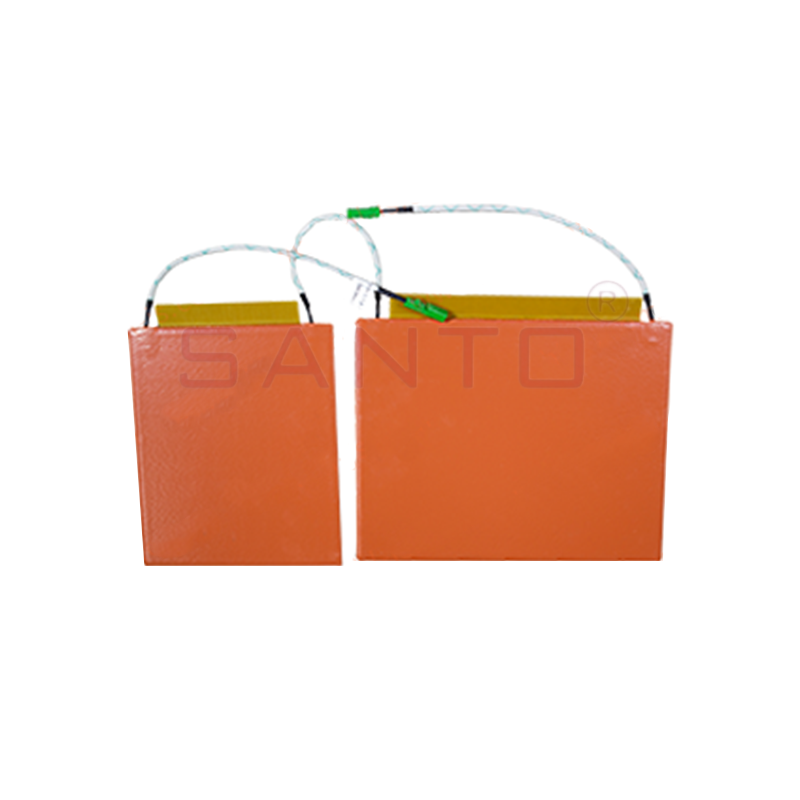 Mukautettu silikonikuminen auton akun lämmitin Valmistajat, toimittajat - Santo Therm Santo on kiinalainen OEM / ODM silikonikuminen auton akkulämmittimen valmistaja ja silikonikuminen auton akun lämmittimen toimittaja, olemme erikoistuneet... Näytä tuote →
 Puolijohdeprosessilaitteet
Prosessikaasulinjat, halkaisijaltaan pienet putket ja puolijohdetehtaiden lämpötilansäätöjärjestelmät tarvitsevat ohuita, kemiallisesti yhteensopivia ja vähän kaasua aiheuttavia lämmittimiä. Kapton ja silikonikuminauhat ovat edelleen suositeltavia muotoja. SANTO:t putkiston lämmitin Sarja on rakennettu juuri tällaisiin tarkkuuspintojen lämmitystehtäviin.
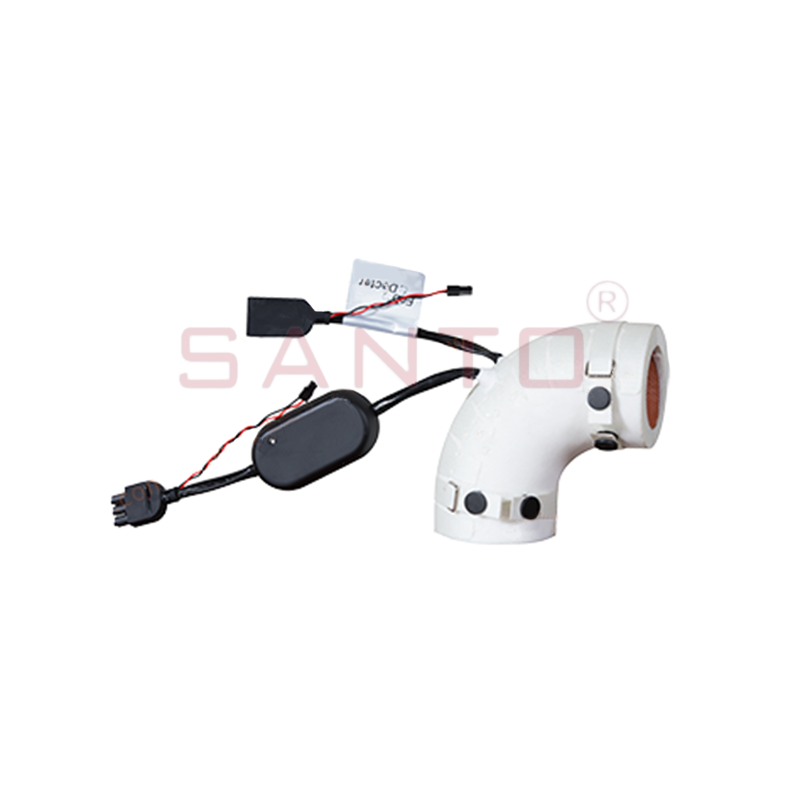 Mukautetut putkilämmittimen valmistajat, toimittajat - Santo Thermal Control Technolo Santo on Kiinan OEM/ODM-putkilämmittimien valmistaja ja putkilämmittimen toimittaja. Olemme erikoistuneet räätälöityyn putkilämmittimen vientimyyntiin. Näytä tuote →
 Teolliset tynnyrit, rummut ja astiat
Viskoosit materiaalit, kuten öljyt, hartsit, liimat ja rasvat, on helpompi käsitellä, kun niiden säiliö on lämmitetty oikeaan pumppauslämpötilaan. Tynnyrin tai rummun ympärille kiedottu joustava lämmitysnauha tarjoaa tasaisen pintalämmityksen ilman uppolämmittimiä ja ilman täyden säiliön lämmitysvaipan kustannuksia.
Asennus- ja turvallisuusnäkökohdat
Joustavien lämmitysliuskojen kenttävauriot johtuvat harvoin itse lämmityselementistä; ne johtuvat huonosta pinnan esikäsittelystä, anturin väärästä sijoituksesta tai puuttuvasta ylikuumenemissuojasta. Noudata näitä sääntöjä saadaksesi luotettavan ja pitkän aikavälin suorituskyvyn.
- Puhdista pinta. Poista öljy, rasva ja irtonainen hilse ennen liimataustaisen nauhan kiinnittämistä. Sidos on lämpöpolku, ja ilmarako luo kuuman pisteen.
- Paranna lämmön leviämistä. Levitä alumiinifolioteippia kuumennetun pinnan päälle lämmön jakamiseksi ja pinnan maksimilämpötilan alentamiseksi.
- Kiinnitä nauha mekaanisesti. Käytä lasikangasteippia, kiinnitysnauhoja tai esivulkanoituja nauhoja, jotka on mitoitettu käyttölämpötilaan, erityisesti pystypinnoille.
- Tarkista eristysvastus. Mittaa lämmityspiirin ja maan välit ennen käyttöönottoa. Silikonikumityypeille odotetaan yli 20 MΩ arvoja 500 V DC:llä.
- Aseta anturi esineeseen, älä lämmittimeen. Kiukaan kiinnitetty termostaatti tai termopari lukee lämmittimen lämpötilan, joka voi olla 20-50°C korkeampi kuin tuotteen lämpötila. Tämä ero aiheuttaa ohjausvirheitä.
- Asenna ylikuumenemissuoja. Lämpösulaketta tai hälytysrelettä suositellaan prosesseihin, joissa neste voi kiehua kuivaksi, virtaus voi pysähtyä tai eriste voidaan lisätä asennuksen jälkeen.
- Vaaralliset alueet. Räjähdysvaarallisissa tiloissa yhdistä nauha hyväksytyn räjähdyssuojatun termostaatin kanssa ja noudata luokitellun alueen johdotussääntöjä.
Usein kysytyt kysymykset
Voidaanko joustava lämmitysnauha leikata sopivaksi?
Ei. Joustava lämmitysnauha valmistetaan tietyllä piirillä ja resistanssilla. Sen katkaiseminen katkaisee piirin ja poistaa suunnitellun resistanssiarvon, joten lämmitin joko lakkaa toimimasta tai toimii hallitsemattomalla teholla. Jos lämmitetty pituus muuttuu, tilaa uusi nauha, jolla on oikea koko. Tämä on tärkeä ero itsesäätyviä lämpökaapeleita , jotka on suunniteltu leikattavaksi sopivaan mittaan paikan päällä.
Ovatko joustavat lämmitysnauhat vedenpitäviä?
Silikonikuminauhat ovat vedenkestäviä ja soveltuvat kosteaan ympäristöön, mutta kaikki mallit eivät ole luokiteltu jatkuvaan upotukseen. Kapton-kalvo on ei-hygroskooppinen ja tarjoaa erinomaisen kosteudenkestävyyden; kiillenauhat voivat imeä kosteutta ja tarvitsevat suojaavan kotelon. Tarkista aina koko kokoonpanon IP-luokitus, mukaan lukien johdot ja liittimet, ei vain itse nauha.
Mikä on joustavan lämmitysnauhan maksimi käyttölämpötila?
Tyypilliset jatkuvat rajat ovat noin 120°C PET:lle, 200-260°C silikonikumille, 260-300°C Kaptonille ja jopa 450°C kiillerakenteille. Todellinen raja riippuu eristeen, liiman, lyijyjohtojen ja päätemenetelmän yhdistetystä lämpötilaluokista, joten arvioi koko kokoonpano sovelluksesi mukaan.
Voidaanko joustavia lämmitysliuskoja käyttää vaarallisilla alueilla?
Kyllä, kun kiuas ja sen ohjausjärjestelmä täyttävät alueluokitusvaatimukset. Käytä sertifioitua räjähdyssuojattua termostaattia, kuten E507-SLS-putkilinjan induktiotermostaattia tai älykästä räjähdyssuojattua lämpötilansäädintä, ja varmista, että itse nauhalla on vaaditut hyväksyntäasiakirjat vyöhykkeelle.